Posts

私のふゆ休み

Image
みなさん、 こんばんは。ふゆ休みはどうでしたか。私は、とてもつまらなかったです。私の親知らず(wisdom teeth)を抜いた(pulled out)ので、何もしませんでした。 ちょっと読んで、たくさん寝ました。でも、クリスマスはとてもたのしかったです。うちにかえって、家族(かぞく)に会いました。おいしい食べ物を食べて、たのしいくつ下をもらって、よかったです。 じゃあ、また!

PE 12 - Self-Evaluation

Image
みなさん、 こんにちは。 学期を終わりました。今、たくさんゆっくりしましょう。でも、しゅくだいがあります。 I made some goals in the middle of the semester, so it's time to evaluate how well I worked toward those goals. 1. I said I wanted to go to 日本語テーブル every week... and managed to go a couple times? Turns out schedules are hard. Who knew? I still got a lot out of the times I did go, but one of my biggest issues is speaking speed/fluidity, and language tables are the easiest way to work on that. 2. I said I wanted to go to しばた先生’s office hours, and managed to go exactly zero times. This is another case of the semester slipping by. However, I did find the time to watch interviews and listen to songs in Japanese nearly daily, which definitely helped my comprehension and production. 3. I said I wanted to practice more with my expanding vocabulary... and I did! I found ways to use new words all the time in short conversations with some of my friends who know Japanese or are also in Japanese 101. As the s...
Image
みなさん、 こんばんは。私の手紙です。読んでください。 じゃ、また。                                  
Image
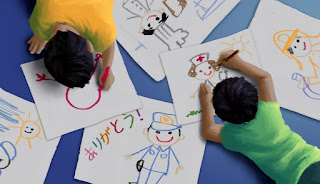
みなさん、 こんばんは。先週の木曜日はサンクスギビングでした。That got me thinking: does Japan have any similar holiday? It turns out the answer is yes, and it's right around the same time! 勤労感謝の日(Labor Thanksgiving Day, pronounced きんろうかんしゃのひ) is celebrated every year on November 23 unless that is a Sunday, in which case it is celebrated on November 24. Labor Thanksgiving Day was established in 1948 as a celebration of human rights as codified in the new constitution. This picture shows children making pictures to thank firefighters and police officers for Labor Thanksgiving Day. The root of the holiday goes back to ancient Shinto traditions, dating to the seventh century A.D. if not even earlier. 新嘗祭(にいなめさい)is a harvest celebration in which the people thank the かみ (spirits) for a good harvest. To this day the emperor still offers the first rice of the year to the gods and eats it himself as a ritual meal. I would love to hear from any Japanese people what their favorite holidays are and how they are c...
みなさん、 こんにちは。火曜日のじゅぎょうに書道(しょどう - calligraphy)をしましたから、私のアジア研究のプロジェクトを思い出した(remembered)。My group put together a timeline of the development of writing in East Asia. For my part, I focused on the development of Japanese writing, which starts with the introduction of Chinese characters and goes on through the evolution of kana (both hiragana and katakana) and the integration of kanji. Take a look: 私のプロジェクト じゃあ、また!
みなさん、 こんにちは!Now that we're halfway through the semester, it's time to re-evaluate my goals for Japanese learning. I posted earlier that I wanted to learn ひらがな and カタカナ as soon as possible - mission accomplished! Now it's just all about かんじ, and I'm making good progress using WaniKani to help me study. My progress in speaking is a little bit harder to gauge: 1. Fluid speech - I want to sound as much like a native speaker as possible. This is difficult when we are learning the formal register of the Tokyo dialect first, but that doesn't mean I can't work on fluidity and speaking speed. I have gone to a couple language tables, but I have decided that I want to go once a week from now on so that I can improve my speed and ease of conversation. 2. Rhythm and intonation - It's one thing to sound "fluid" in my opinion, and another for a native speaker to think I sound right. I want to improve my rhythm and intonation by shadowing a full scene from an...
みなさん、 私のビデオブログです。It's very short and just meant as a brief introduction, but I hope you enjoy it anyway! じゃあ、また!